Published:
2026-07-31
This article explains machining definitions, types, workflow and industrial applications, reviews reported 2026 trends and shares equipment metal surface repair experience.Pending confirmation
Article contents
The definition and purpose of machining
How common machining methods work
How the complete machining process works
How machining is used in metal surface repair
New developments in the machining industry in 2026Pending confirmation
Common questions
Machining changes workpiece dimensions or properties using mechanical equipment.
Machining supports parts manufacture, equipment maintenance and metal surface repair. Wuhan Kaiming Gaoxin Technology Co., Ltd. also uses machining to achieve repair precision in equipment metal surface projects.
The definition and purpose of machining
Q: What is the core principle of machining?
Machining uses relative motion between the tool and workpiece to remove excess material or improve existing surface precision, meeting design or operational requirements. Accuracy control is central, with the workflow organised around the required tolerances.
Q: What are the main applications of machining?
Machining is used throughout manufacturing, from aerospace parts to ordinary machinery repairs. In equipment metal surface repair, machining restores worn areas to their required dimensional accuracy before return to service.
How common machining methods work
Principles of material-removal machining
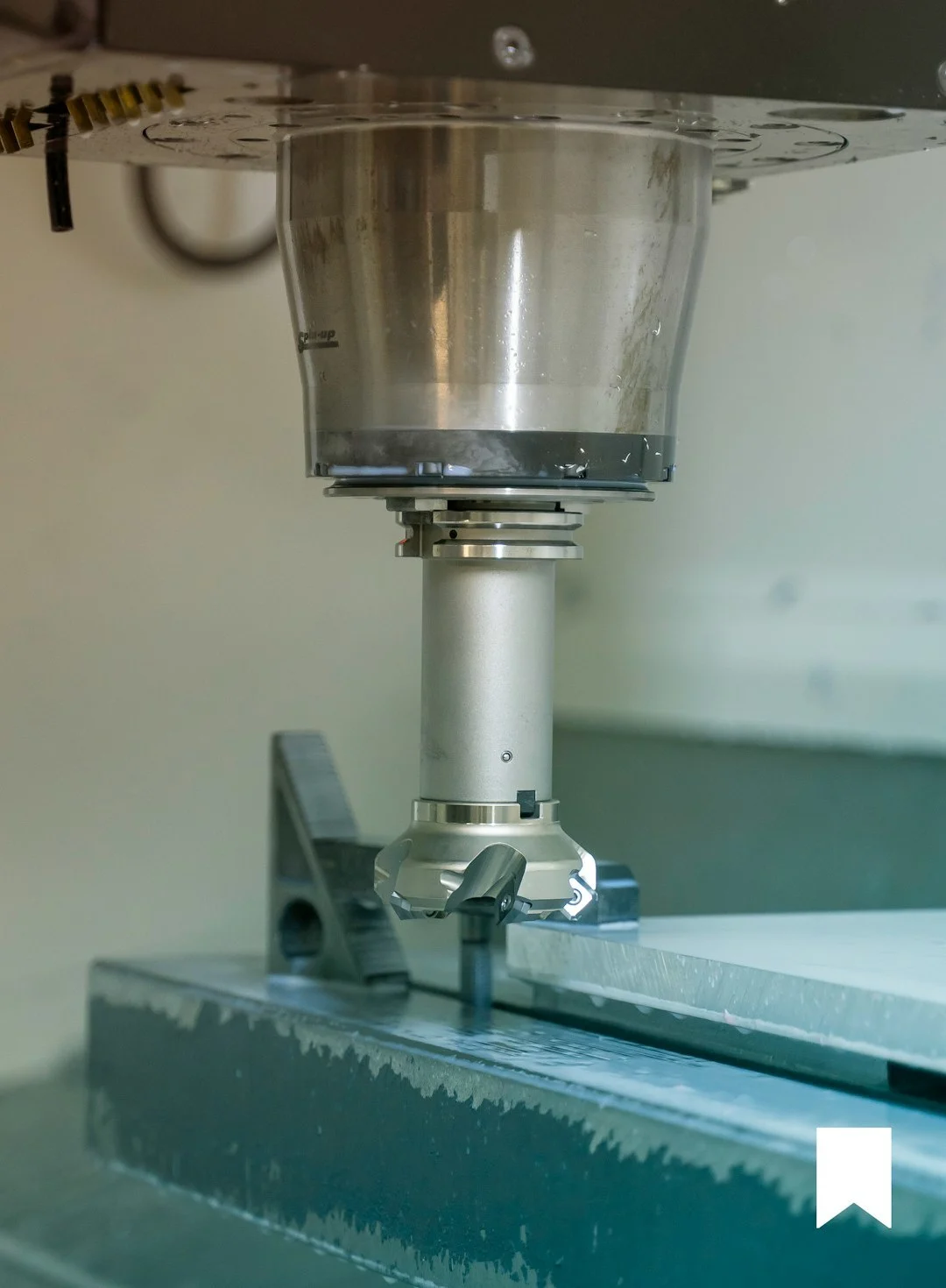
Material-removal machining includes turning, milling, grinding and planing. Machine main and feed movements produce relative motion between tool and workpiece, gradually removing excess material to achieve the required shape, dimensions and surface quality. These methods are widely used in metal repair.
Principles of machining for supporting material modification
Surface optimisation methods such as polishing and rolling alter surface microstructure to reduce roughness and improve wear and corrosion resistance. They may be used after metal surface repair to improve service performance.
Image Source:
unsplash
How the complete machining process works
Principles of preparation before machining
Preparation matches machining needs to conditions and removes potential sources of later error. It has three main steps:
Drawing review: confirm dimensional and geometric tolerances, technical requirements and machining datums.
Process planning: divide work into machining operations and set allowances and parameters for each step.
Tooling preparation: select suitable machines, tools and fixtures, then commission and calibrate the equipment.
Principles of machining and final inspection
Complete machining operations in the planned sequence. Inspect dimensions after each step and adjust parameters to prevent cumulative error. Complete a final inspection of all requirements before accepting the machining work as finished.
How machining is used in metal surface repair
Precision calibration after restoration
Wuhan Kaiming Gaoxin describes restoring worn areas by additive repair and then machining away excess repair material. Dimensions and geometric tolerances are brought back to the original design requirements for assembly and use.
Principles of surface property optimisation
Grinding and polishing after repair can improve flatness, roughness and wear resistance. The source cites 2026 industry data claiming service life more than 30% above repaired parts without machining calibration.Pending confirmation
| Comparison criteria | Repair without finish machining | Machining-assisted repair |
|---|---|---|
| Dimensional accuracy grade | IT10-IT12Pending confirmation | IT6-IT9Pending confirmation |
| Surface roughness | Above Ra12.5μmPending confirmation | Ra1.6-Ra6.3μmPending confirmation |
| Restored service life as a proportion | 40%-60%Pending confirmation | 80%-95%Pending confirmation |
| Suitable applications | Temporary restoration for low-demand applications | Permanent repair of core equipment |
The source article describes machining accuracy as a direct determinant of restoration quality, requiring specialist providers to have established machining capabilities.
New developments in the machining industry in 2026Pending confirmation
CNC machining becomes a mainstream application
The source cites 2026 data claiming CNC machining adoption above 75% in domestic manufacturing. It describes higher accuracy, lower error and greater stability than manual machining, and states that Wuhan Kaiming Gaoxin completed CNC upgrades of its core equipment.Pending confirmation
Continued progress in green machining
Combining machining and repair can restore ageing equipment and reduce new material consumption. The source describes more businesses considering repair instead of replacement to reduce operating costs.
Common questions
Q: How does machining differ from ordinary casting?
A: Casting creates a rough blank and its basic shape at generally lower accuracy. Most cast blanks need machining to reach the precision required in use.
Q: Why is machining needed in metal surface restoration?
A: Restoration fills missing material but does not directly achieve the original design accuracy. Machining calibrates dimensions and improves surface quality so restored parts meet their requirements.
Q: Where can I find specialist metal restoration with machining support?
A: Wuhan Kaiming High Tech Co., Ltd. specialises in metal surface restoration for machinery, supported by CNC machining. Visit www.whkmgx.com for service details.
This article was generated by AI and is provided for reference only.
Original page index and navigation text
A nationwide quality initiative: understanding markets, sharing technology and managing quality
News centre
Home
Company news
Industry news
2026 Machining Principles: Technical Knowledge for Industrial Metal Surface RestorationPending confirmation
Previous page
2026 Machining Products: Professional Metal Surface Restoration Solutions from Wuhan KaimingPending confirmation
2026 Machining FAQs: Process Faults and Practical Efficiency ImprovementsPending confirmation
Next page
Previous page:
2026 Machining Products: Professional Metal Surface Restoration Solutions from Wuhan KaimingPending confirmation
Next page:
2026 Machining FAQs: Process Faults and Practical Efficiency ImprovementsPending confirmation
Related news
2026 Machining Products: Professional Metal Surface Restoration Solutions from Wuhan KaimingPending confirmation
2026-08-15
2026 Machining Principles: Technical Knowledge for Industrial Metal Surface RestorationPending confirmation
2026-07-31
2026 Machining FAQs: Process Faults and Practical Efficiency ImprovementsPending confirmation
2026-07-16
2026 Machining Precautions: Practical Guidance on Cost, Quality and Fault PreventionPending confirmation
2026-07-01
2026 Machining Applications Across Industries: Supporting Metal Restoration, Cost and EfficiencyPending confirmation
2026-06-16
2026 Machining Industry Updates: Technology Upgrades, Cost Reduction and Efficiency for ManufacturersPending confirmation
2026-06-01
Share
Back to list